Is Contrast Therapy Good for Inflammation?
By PLUNJ · September 6, 2026
If you're dealing with sore joints, a nagging tendon issue, or general post-workout puffiness, you've probably heard that hot and cold exposure can help. But "helps with inflammation" gets thrown around a lot in wellness spaces, and it's worth asking: is there actual science behind it, or is contrast therapy just a good story?
The short answer: yes, there's real physiological evidence behind it — but the mechanism is more nuanced than "cold reduces swelling." Here's what's actually happening in your body, and when contrast therapy helps most.
What Inflammation Actually Is
Inflammation isn't inherently bad — it's your body's repair response. When tissue is damaged (from a hard workout, an injury, or overuse), your immune system sends fluid, white blood cells, and signaling proteins called cytokines to the area. This is what causes swelling, heat, and soreness.
Acute inflammation — the kind you get after a workout or minor injury — is a normal, necessary part of healing. Chronic inflammation — ongoing, low-grade inflammation that doesn't fully resolve — is the kind linked to joint pain, arthritis, and long-term tissue damage. Contrast therapy affects these two types differently, which is why the research can look inconsistent if you don't separate them.
How Cold Exposure Affects Inflammation
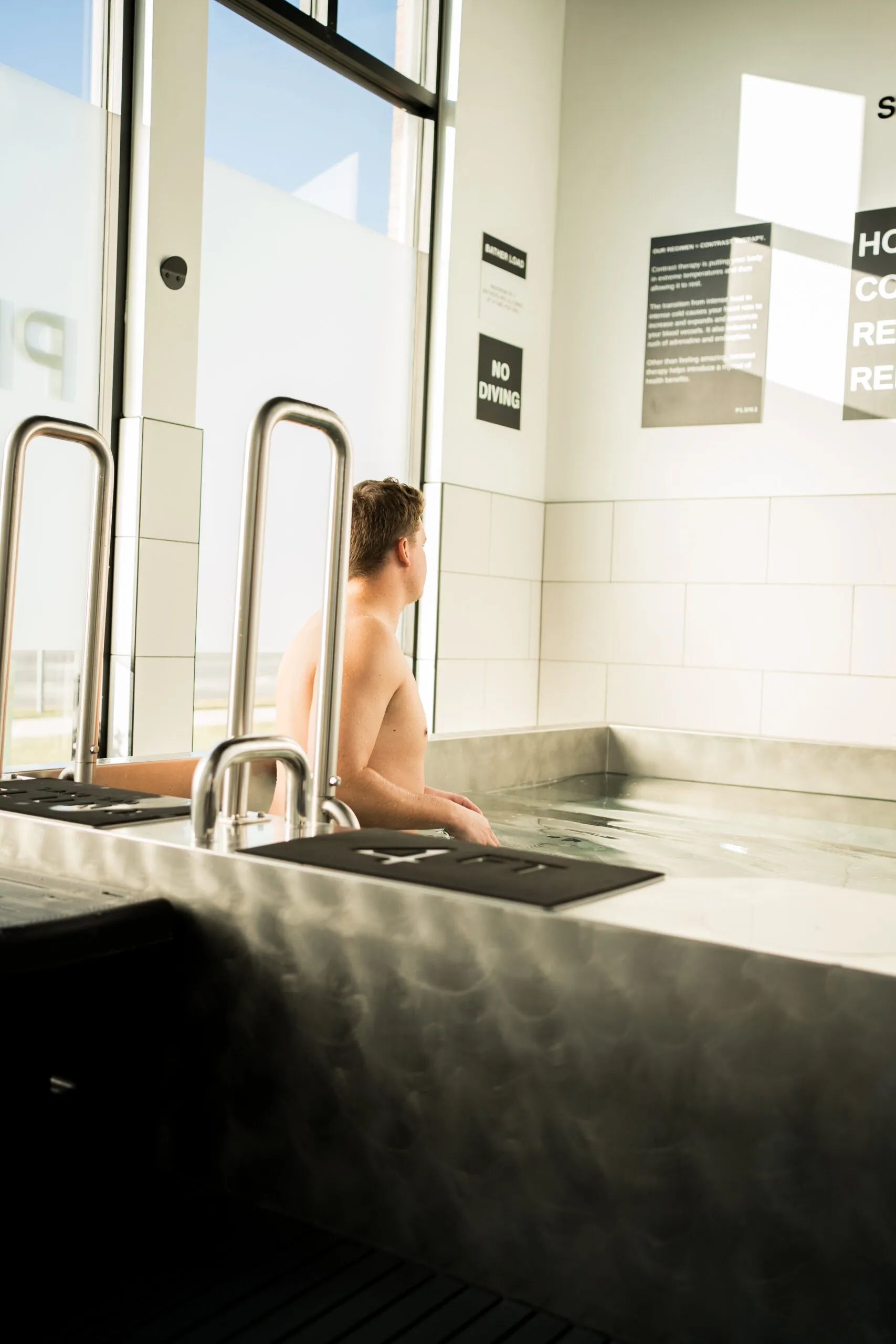
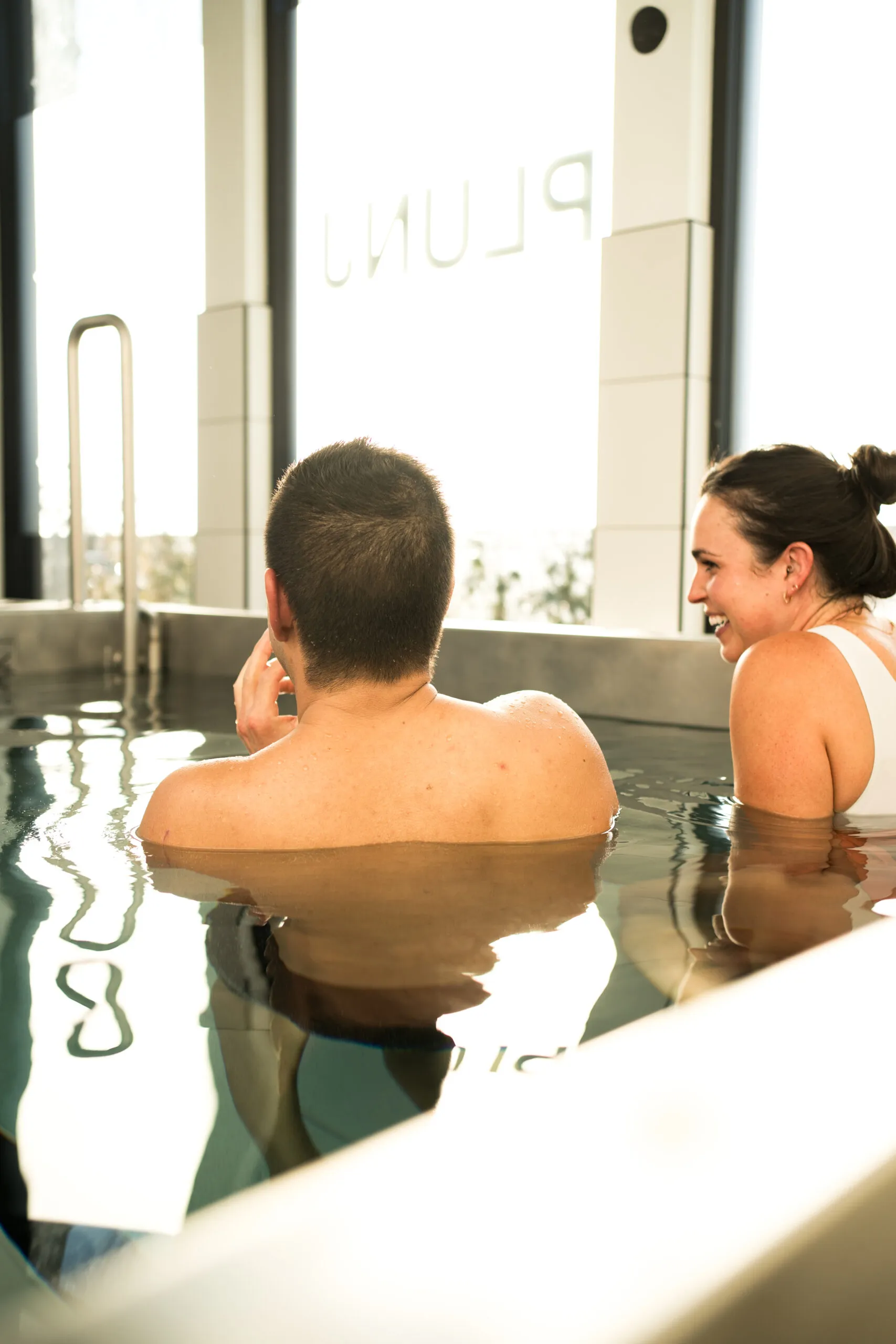
Cold water immersion causes vasoconstriction — your blood vessels narrow, reducing blood flow to the area. This limits fluid buildup and slows the delivery of inflammatory cells to the tissue, which is why cold is the go-to first response for a fresh injury (the classic "ice it" advice).
Research on cold water immersion shows it measurably reduces circulating pro-inflammatory cytokines like IL-6 after intense exercise, along with reported muscle soreness. Cold also has a mild analgesic effect — it numbs nerve endings, which is part of why plunges feel like relief even before any physiological change has had time to occur.
How Heat Exposure Affects Inflammation
Heat works through a different pathway. Sauna use raises your core temperature, which triggers the production of heat shock proteins — molecules that help repair damaged cells and support your body's own anti-inflammatory response. Studies on regular sauna use have linked it to lower long-term inflammatory markers and reduced risk of inflammation-related cardiovascular events.
Heat also increases blood flow (the opposite of cold's vasoconstriction), which helps clear metabolic waste and deliver oxygen and nutrients needed for tissue repair once the acute swelling phase has passed.
Why Alternating Might Beat Either One Alone
This is where contrast therapy's case gets interesting. Using cold alone limits blood flow — good for controlling acute swelling, but if you only ever constrict blood vessels, you're not doing much to actively flush waste or deliver repair nutrients. Using heat alone increases blood flow and swelling risk if the tissue is freshly injured.
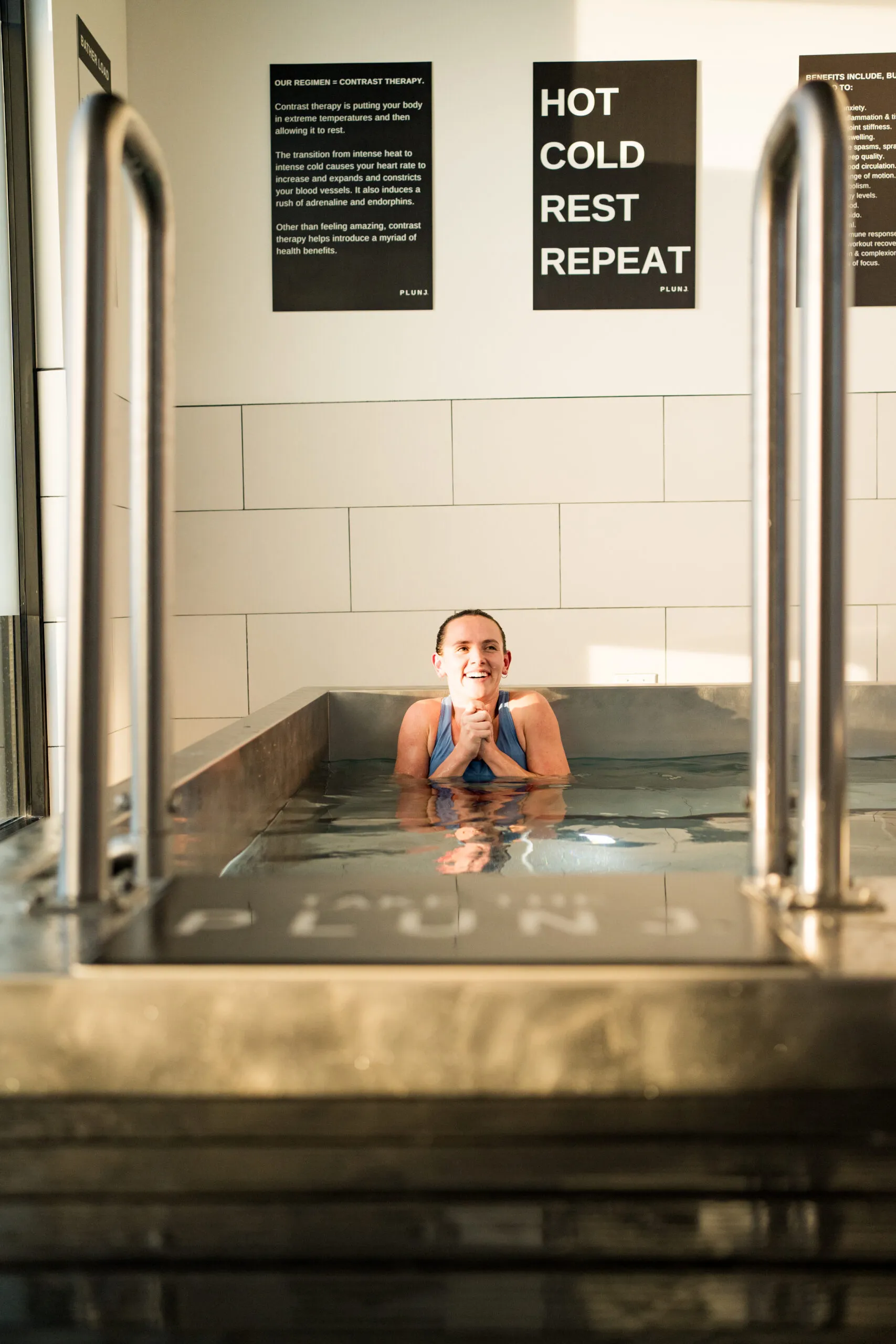
Alternating between the two forces your vascular system to actively pump: constrict, then dilate, then constrict again. A review in the International Journal of Sports Medicine found contrast water therapy outperformed passive rest — and in several comparisons, outperformed cold-only or heat-only protocols — for reducing delayed onset muscle soreness (DOMS) and perceived inflammation after exercise. The pumping action appears to accelerate the clearance of inflammatory byproducts more effectively than either temperature extreme working alone.
What This Means for Chronic Joint Pain and Arthritis
For chronic, low-grade inflammation — the kind associated with arthritis, old injuries, or general joint stiffness — the picture is a little different than acute post-workout soreness. There's no single session that "cures" chronic inflammation. What the research does support is that consistent, repeated exposure to both heat and cold over weeks and months is associated with lower baseline inflammatory markers and improved reported joint pain and stiffness in people with arthritis.
This tracks with what we cover in our guide on how cold plunging and sauna can help arthritis — the benefit isn't a one-time anti-inflammatory hit, it's a cumulative effect from making contrast exposure a regular habit.
When to Use Cold Alone vs. Contrast Therapy for Inflammation
Not every situation calls for the full hot-cold cycle. A simple way to think about it:
- Fresh, acute injury (first 24–48 hours) — sprains, fresh swelling, an acute flare-up: stick with cold alone. Adding heat too early can increase blood flow to tissue that's still acutely inflamed and make swelling worse.
- Post-workout soreness, no acute injury — this is the ideal use case for contrast therapy. There's no fresh tissue damage to worry about aggravating, so you get the full benefit of the pumping effect.
- Chronic stiffness, old injuries, arthritis-related joint pain — contrast therapy, done consistently (2–4x per week), is well-supported for improving symptoms over time.
Common Misconception: "Cold Alone Is Always Better for Inflammation"
A lot of people assume that if cold reduces inflammation, more cold — and skipping the heat — must be even better. In practice, this misses two things: heat contributes its own anti-inflammatory pathway through heat shock proteins, and the alternating pump effect is what the research shows outperforming cold alone for muscle soreness specifically. If inflammation reduction is your goal and there's no acute injury involved, contrast therapy (not cold-only) has the stronger evidence base.
How to Structure a Session for Inflammation
- Start with heat. 10–15 minutes in the sauna to raise core temperature and get blood flowing.
- Move to cold. 1–3 minutes in the cold plunge to constrict vessels and flush the area.
- Repeat 2–3 times. Each cycle reinforces the pumping effect.
- Finish on cold if the goal is specifically inflammation and swelling control; finish on heat if joint stiffness and relaxation are the bigger concern for you.
- Do this consistently — 2–4 times per week — since chronic inflammation responds to habit, not a single session.
The Bottom Line
Contrast therapy has real, research-backed support for reducing both acute exercise-induced inflammation and, with consistent use, chronic low-grade inflammation associated with joint pain and arthritis. It's not a substitute for medical treatment of an inflammatory condition, but as a recovery and maintenance practice, alternating hot and cold has a stronger evidence base than using either temperature extreme alone — as long as you're not applying heat to a fresh, acute injury.
Feel the Difference Yourself
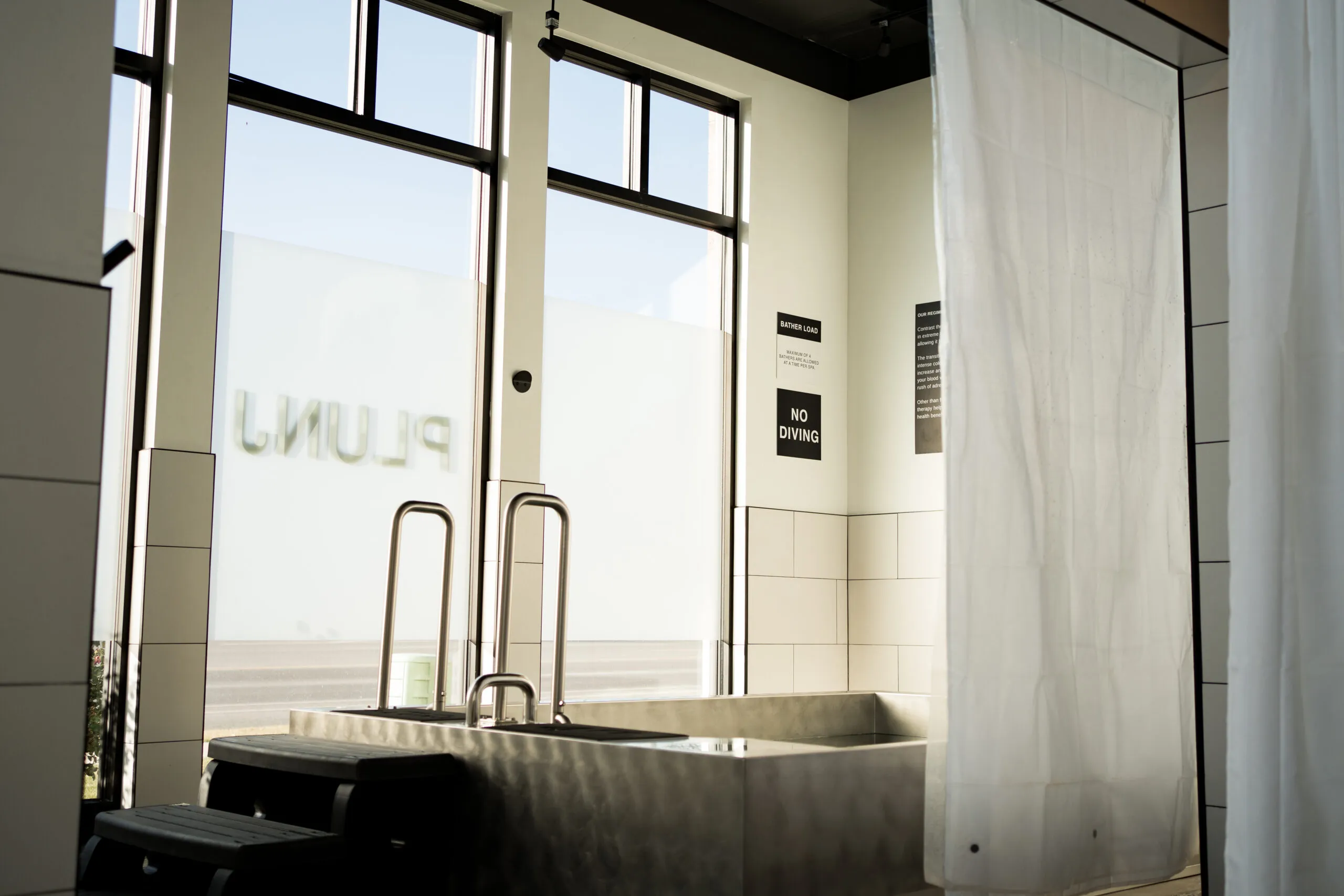
The clearest way to understand contrast therapy's effect on inflammation is to notice how your joints and muscles feel the next day after a session, compared to a normal recovery day. At PLUNJ, every studio is built for the full hot-cold cycle, with sauna and cold plunge on-site so you can move through the protocol properly.
Book your session at PLUNJ and see how your body responds.
Sources:
Bleakley, C. M., Bieuzen, F., Davison, G. W., & Costello, J. T. (2014). Whole-body cryotherapy: empirical evidence and theoretical perspectives. Open Access Journal of Sports Medicine, 5, 25–36.
Hyldahl, R. D., & Peake, J. M. (2020). Combining cooling therapies with other recovery modalities. International Journal of Sports Medicine.
Laukkanen, T., Khan, H., Zaccardi, F., & Laukkanen, J. A. (2015). Association between sauna bathing and fatal cardiovascular and all-cause mortality events. JAMA Internal Medicine, 175(4), 542–548.
Peake, J. M., Roberts, L. A., Figueiredo, V. C., et al. (2017). The effects of cold water immersion and active recovery on inflammation and cell stress responses in human skeletal muscle after resistance exercise. Journal of Physiology, 595(3), 695–711.
White, G. E., & Wells, G. D. (2013). Cold-water immersion and other forms of cryotherapy: physiological changes potentially affecting recovery from high-intensity exercise. Extreme Physiology & Medicine, 2(1), 26.