What's the Difference Between a Cold Plunge and an Ice Bath?
By PLUNJ · September 6, 2026
"Cold plunge" and "ice bath" get used interchangeably so often that most people assume they're the exact same thing with two different names. They're closely related — both are forms of cold water immersion — but there are real differences in temperature, equipment, and how each is typically used that are worth knowing before you decide which one fits your goals.
The Short Answer
An ice bath is exactly what it sounds like: a tub or container filled with water and a large amount of ice, typically bringing the temperature down to around 32–50°F. It's a one-time, DIY setup — you fill it, dump ice in, and it warms up as it's used until you add more ice or refill it.
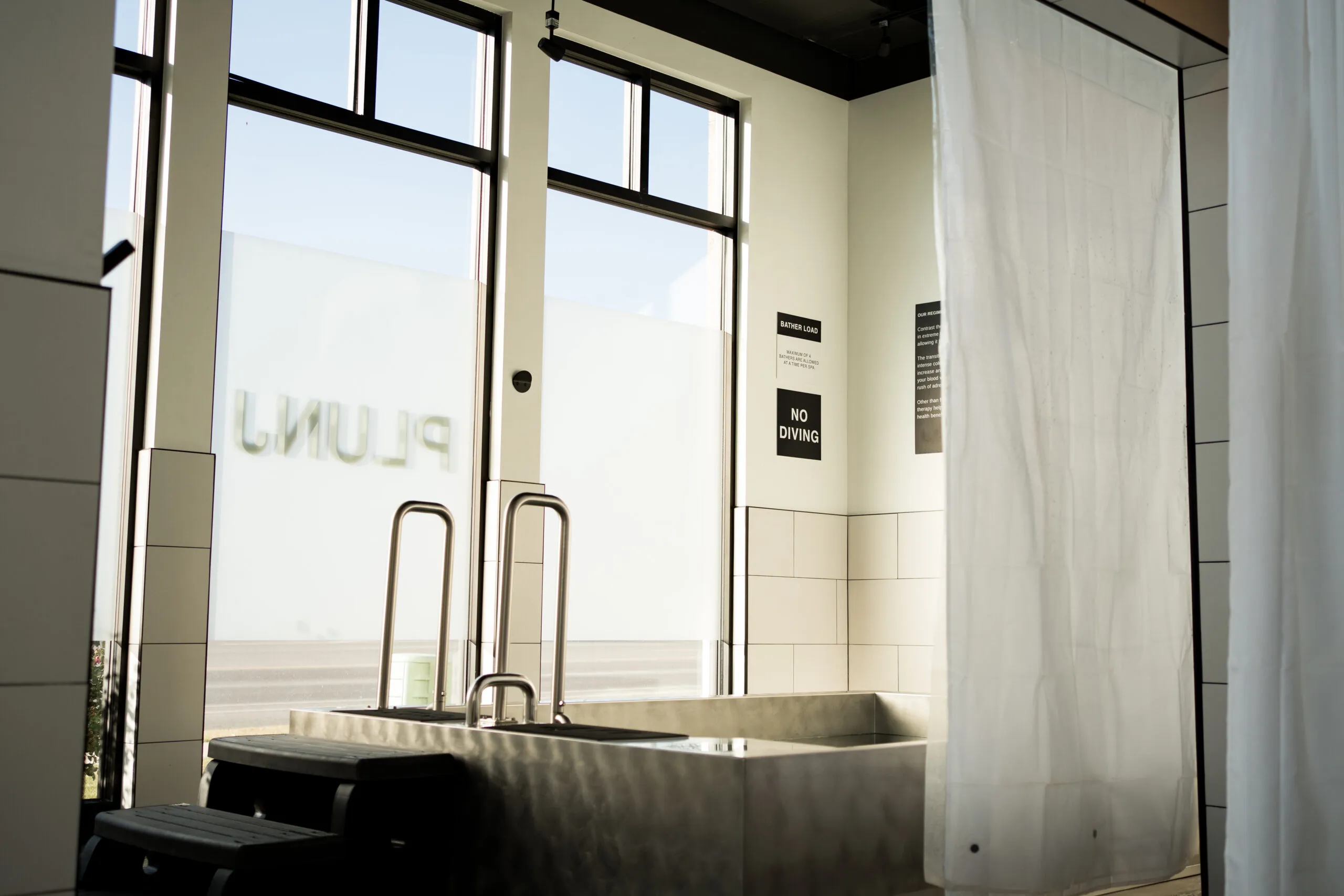
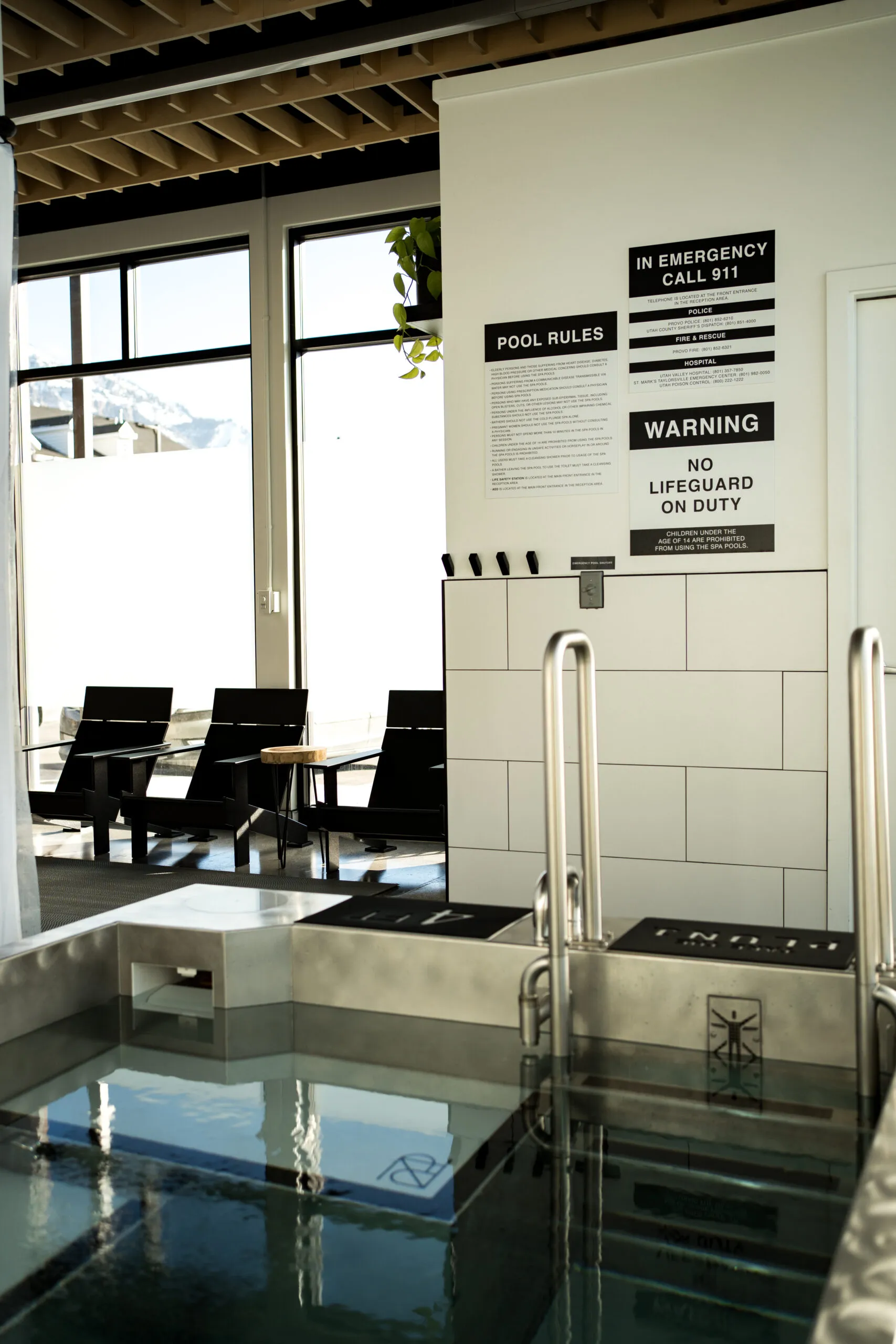
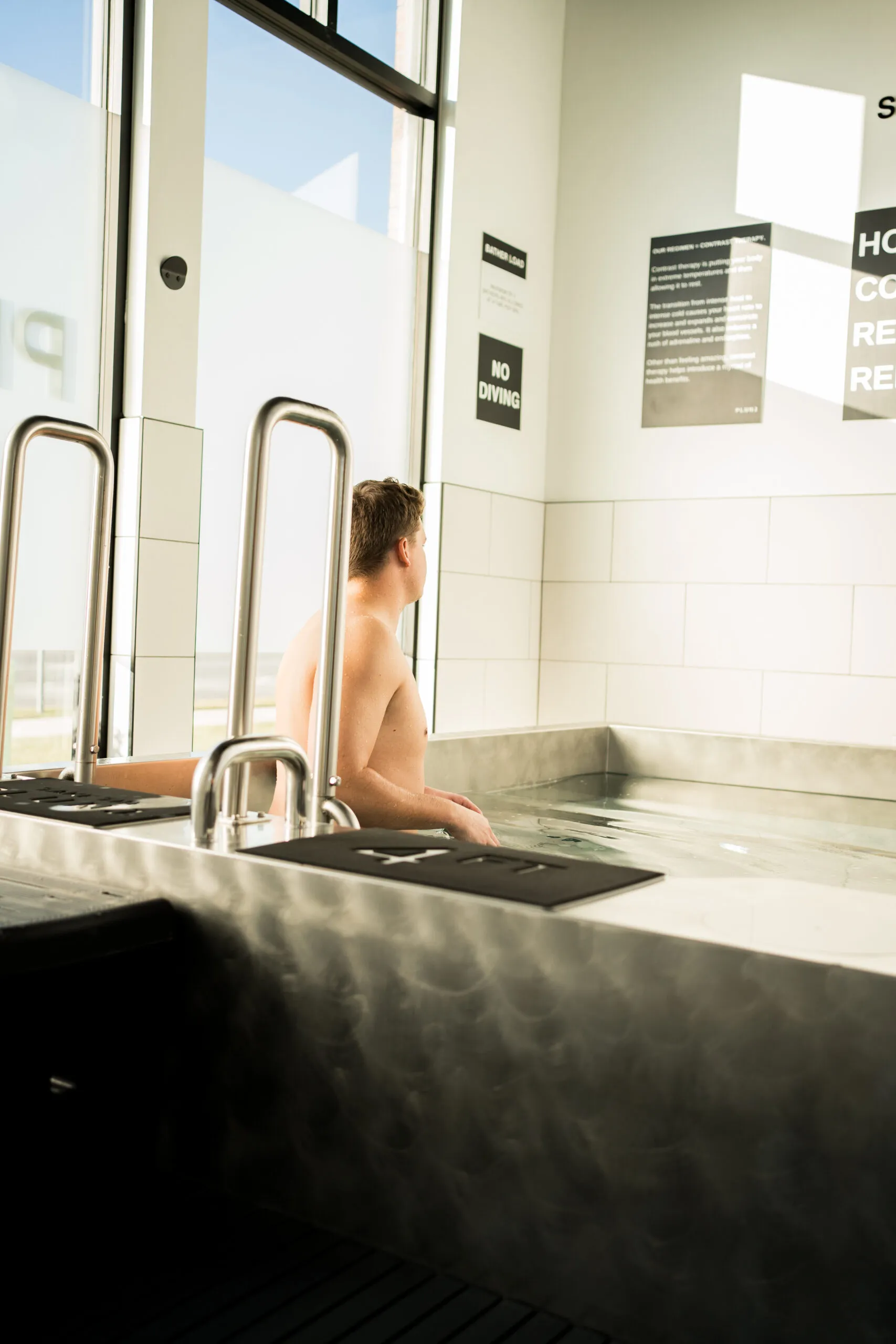
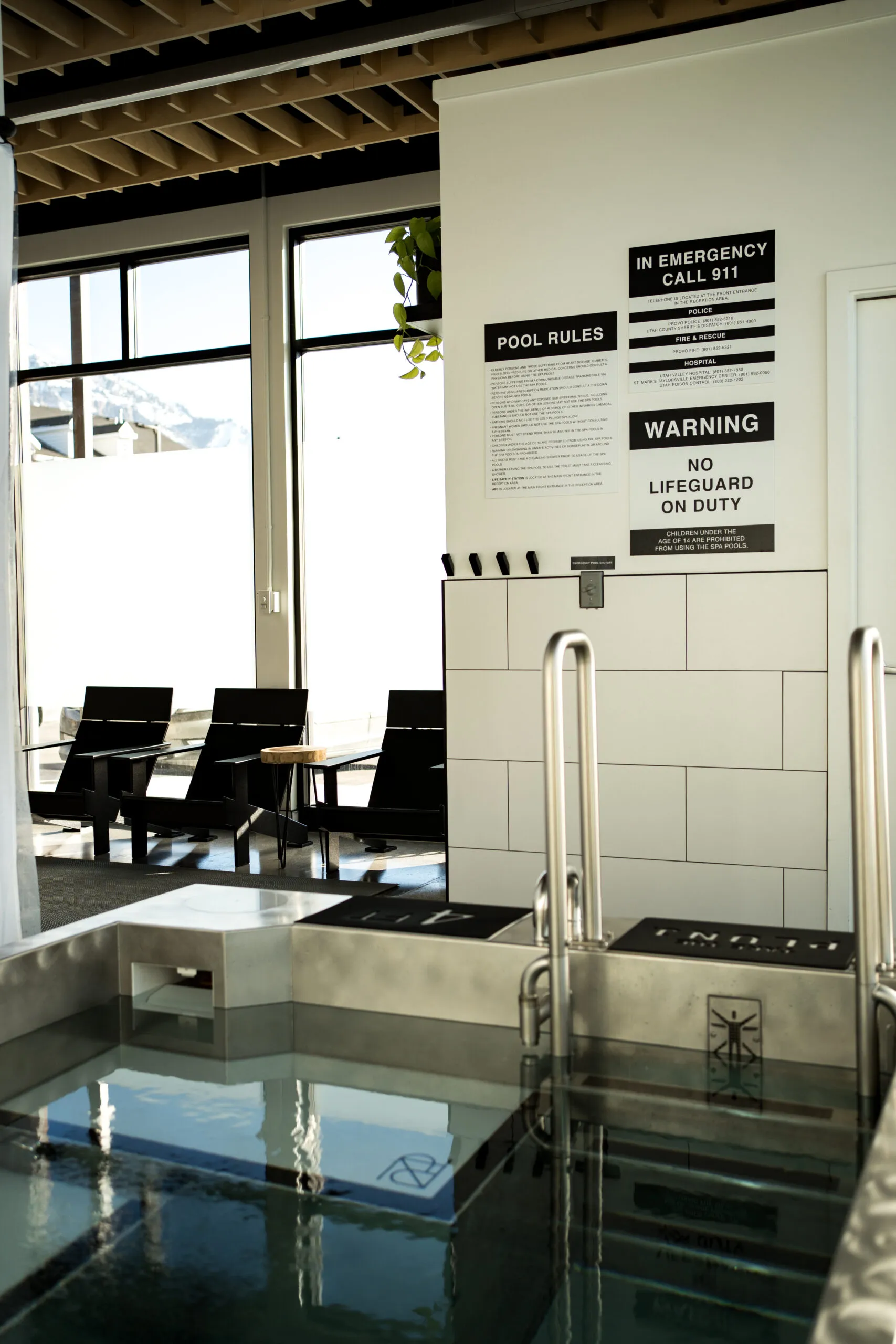
A cold plunge refers to a dedicated, purpose-built cold water immersion system — either a standalone tub or a plunge pool — that uses a chiller to actively cool and filter the water to a precise, consistent temperature (commonly 39–55°F) and hold it there indefinitely, without needing ice.
Both deliver the core benefit — cold water immersion — but the consistency, convenience, and hygiene differ significantly.
Temperature: Precision vs. Guesswork
This is the biggest practical difference. An ice bath's temperature depends entirely on how much ice you add, how big the container is, and how long it's been sitting — it's cold when you make it, then it steadily warms up. Two "ice baths" made an hour apart, or by two different people, can vary by 10–15°F.
A cold plunge with a chiller holds a set, precise temperature continuously. Research on cold water immersion protocols consistently notes that temperature control matters for getting a reliable physiological response — the norepinephrine spike, the vasoconstriction, the anti-inflammatory effect are all temperature-dependent. If you don't know exactly how cold your water is, you can't be sure you're getting a consistent stimulus session to session.
Water Quality and Hygiene
Ice baths are typically filled once and reused for a single session (or a single day) before being drained — there's no filtration system running, so bacteria and contaminants build up quickly, especially with multiple people using the same water.
A proper cold plunge system continuously filters and often ozonates or UV-treats the water, similar to a pool or hot tub, so the same water stays clean and safe to use for weeks between full water changes. If you're plunging regularly — several times a week — water quality becomes a real factor, not just a nice-to-have.
Convenience and Consistency
This is where the gap is largest. An ice bath requires buying and hauling bags of ice every time, which makes daily or even multiple-times-a-week use impractical for most people. A cold plunge is ready whenever you are — no ice runs, no setup time, no waiting for the water to get cold enough.
Since research on cold exposure points to consistency (2–4 sessions per week) as the key driver of long-term benefits — mood, recovery, metabolic adaptation — the format that's actually sustainable to use regularly tends to matter more than which one is technically "colder." Read more in our guide on how often you should cold plunge.
Does the Physiological Response Actually Differ?
Once you're submerged, your body doesn't know or care whether the cold came from a chiller or a bag of ice — vasoconstriction, the norepinephrine and dopamine spike, and the cold shock response are all driven by water temperature and immersion time, not by the cooling method. A 45°F ice bath and a 45°F chilled plunge trigger essentially the same physiological cascade.
Where the difference shows up is in reliability of that response over time. If your ice bath is 38°F on Monday and 48°F on Thursday because you used less ice, your sessions aren't equivalent — you may be getting a meaningfully different stimulus each time without realizing it. A temperature-controlled plunge removes that variable entirely.
Cost Comparison
Ice baths have a lower upfront cost — a large tub or stock tank plus repeated bags of ice. But ice adds up: a serious daily ice bath habit can run $10–30/week in ice alone, plus the tub itself needs to be manually drained, cleaned, and refilled regularly since there's no filtration.
A home cold plunge with a chiller costs more upfront but eliminates the recurring ice expense and the manual draining/cleaning cycle, since the filtration system keeps the water usable for weeks at a time. For frequent plungers, the math often favors a dedicated unit — or a membership at a studio that already has one running.
Which One Should You Use?
- If you're trying cold exposure for the first time or plunging occasionally, an ice bath is a low-commitment way to test whether you like it before investing in equipment.
- If you're plunging regularly (2+ times per week) for recovery, mood, or metabolic benefits, a temperature-controlled cold plunge is the more practical, consistent, and hygienic option — which is exactly why studios and gyms use plunge systems rather than filling ice baths for every client.
- If precision matters for your training — for example, following a specific research-backed protocol around temperature and duration — a chilled plunge is the only way to know you're actually hitting the number you're aiming for.
The Bottom Line
"Cold plunge" and "ice bath" aren't wrong to use interchangeably in casual conversation — they're both cold water immersion, and your body responds to the temperature, not the label. But if you're building a real habit around cold exposure, the practical differences (consistent temperature, clean water, no ice runs) make a dedicated cold plunge system the more sustainable choice for regular use.
Try a Real Cold Plunge
Skip the ice runs and the guesswork. Every PLUNJ studio has a professionally maintained, temperature-controlled cold plunge on-site, paired with a full sauna for the complete contrast therapy experience.
Find a PLUNJ studio near you and book your first plunge.
Sources:
Allan, R., Malone, J., Alexander, J., Vorajee, S., Ihsan, M., Gregson, W., Kwiecien, S., & Mawhinney, C. (2022). Cold for centuries: a brief history of cryotherapies to improve health, injury and post-exercise recovery. European Journal of Applied Physiology.
Bleakley, C. M., Bieuzen, F., Davison, G. W., & Costello, J. T. (2014). Whole-body cryotherapy: empirical evidence and theoretical perspectives. Open Access Journal of Sports Medicine, 5, 25–36.
Šrámek, P., Šimečková, M., Janský, L., Šavlíková, J., & Vybíral, S. (2000). Human physiological responses to immersion into water of different temperatures. European Journal of Applied Physiology, 81(5), 436–442.
van Middendorp, M. M., et al. (2016). Effects of frequency and duration of cold water immersion on recovery and adaptation. Frontiers in Sports and Active Living.