Best Places to Relax in Salt Lake City: Hidden Gems for Rest and Recovery
By PLUNJ · May 13, 2026
Salt Lake City moves fast. Between the startup scene in Silicon Slopes, the outdoor culture that has everyone training for their next adventure, and a city that's grown dramatically over the past decade, the pace of life here can be genuinely exhausting. Finding places where you can actually slow down and recover—not just scroll your phone in a coffee shop, but truly rest—takes some knowing.
This guide cuts through the noise. These are the places in Salt Lake City where rest and recovery actually happen.
PLUNJ: Where Active Recovery Meets Deep Relaxation
The best relaxation in Salt Lake City isn't passive—it's deliberate. That distinction is why PLUNJ has become one of the most talked-about wellness spots in the city.
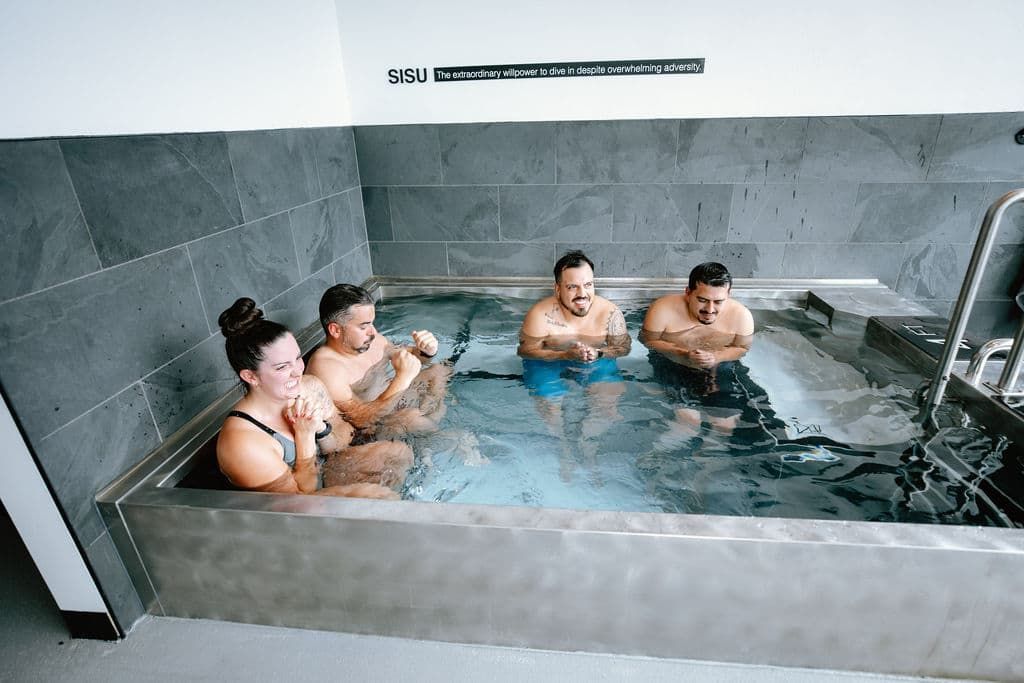
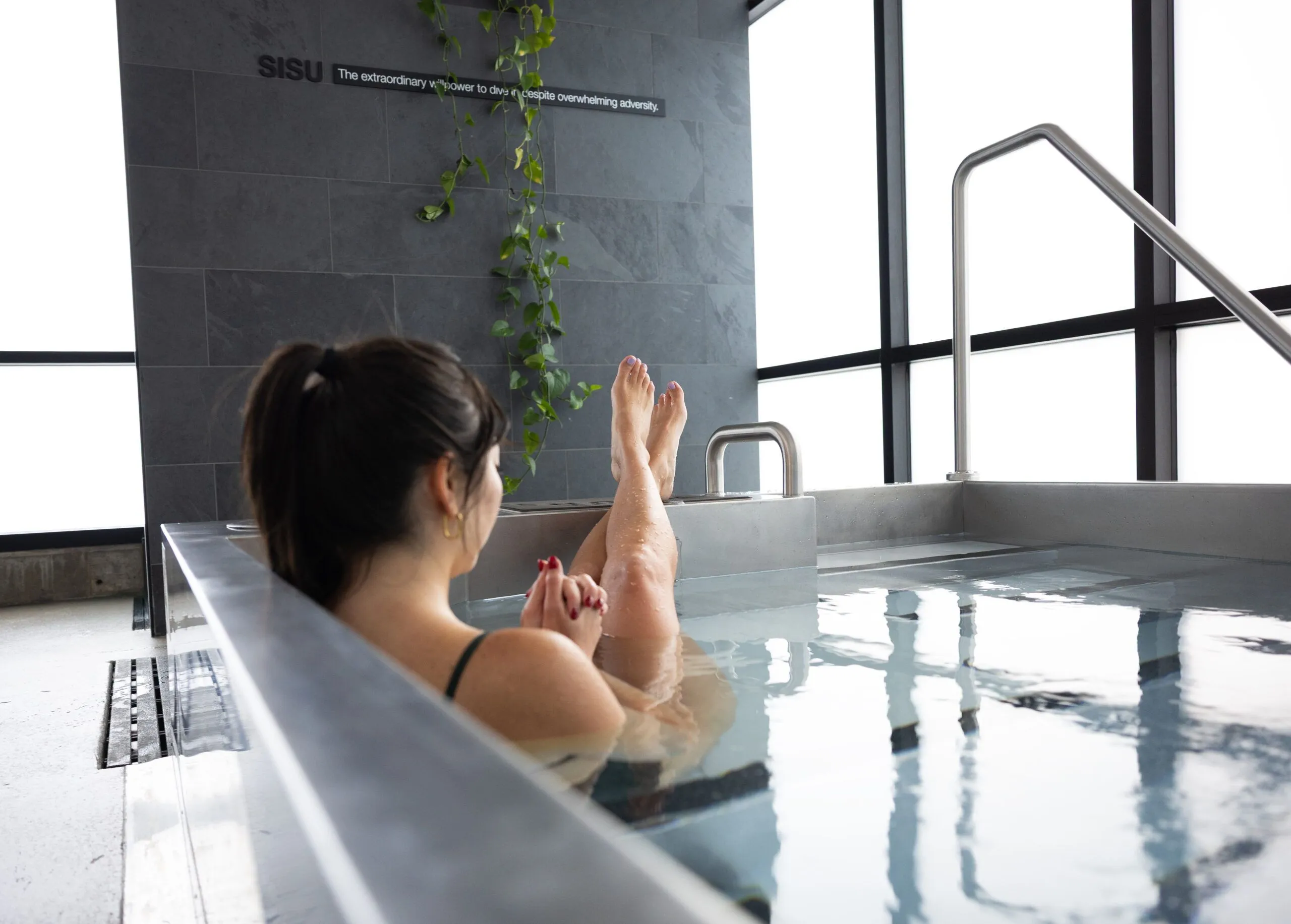
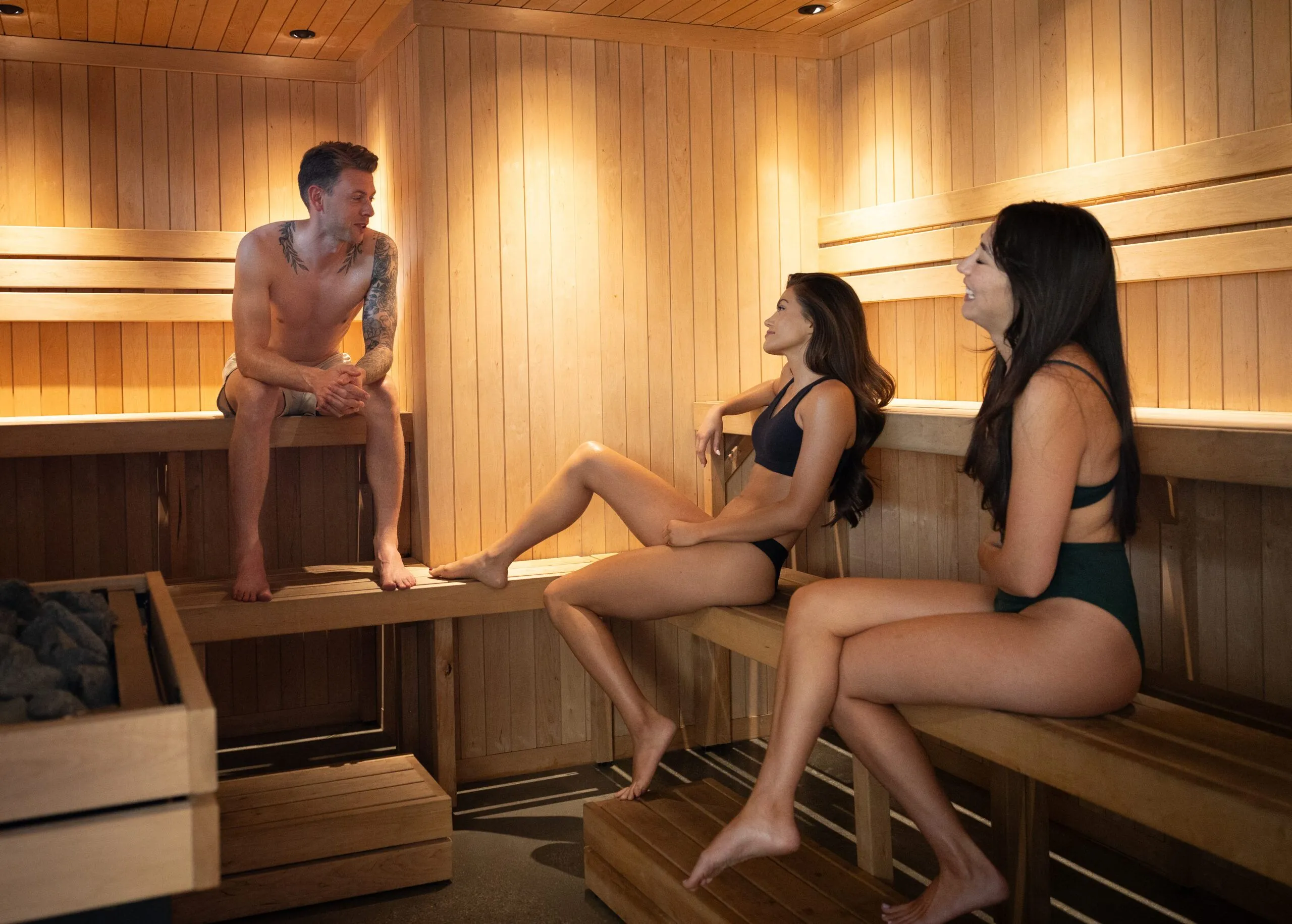
The concept is contrast therapy: alternating rounds of sauna and cold plunge that activate powerful physiological recovery mechanisms. The sauna heats to 175–190°F, opening blood vessels and releasing heat shock proteins. The cold plunge drops to 45–50°F, flushing the system and triggering a norepinephrine release that produces lasting calm and elevated mood.
What makes PLUNJ the best place to relax in Salt Lake? The after-effect. The combination of heat and cold doesn't just feel good in the moment—it produces a measurable shift in your nervous system. Post-session guests consistently describe feeling deeply calm, mentally clear, and physically restored in a way that differs from ordinary relaxation. It's the difference between watching TV to decompress and actually resetting.
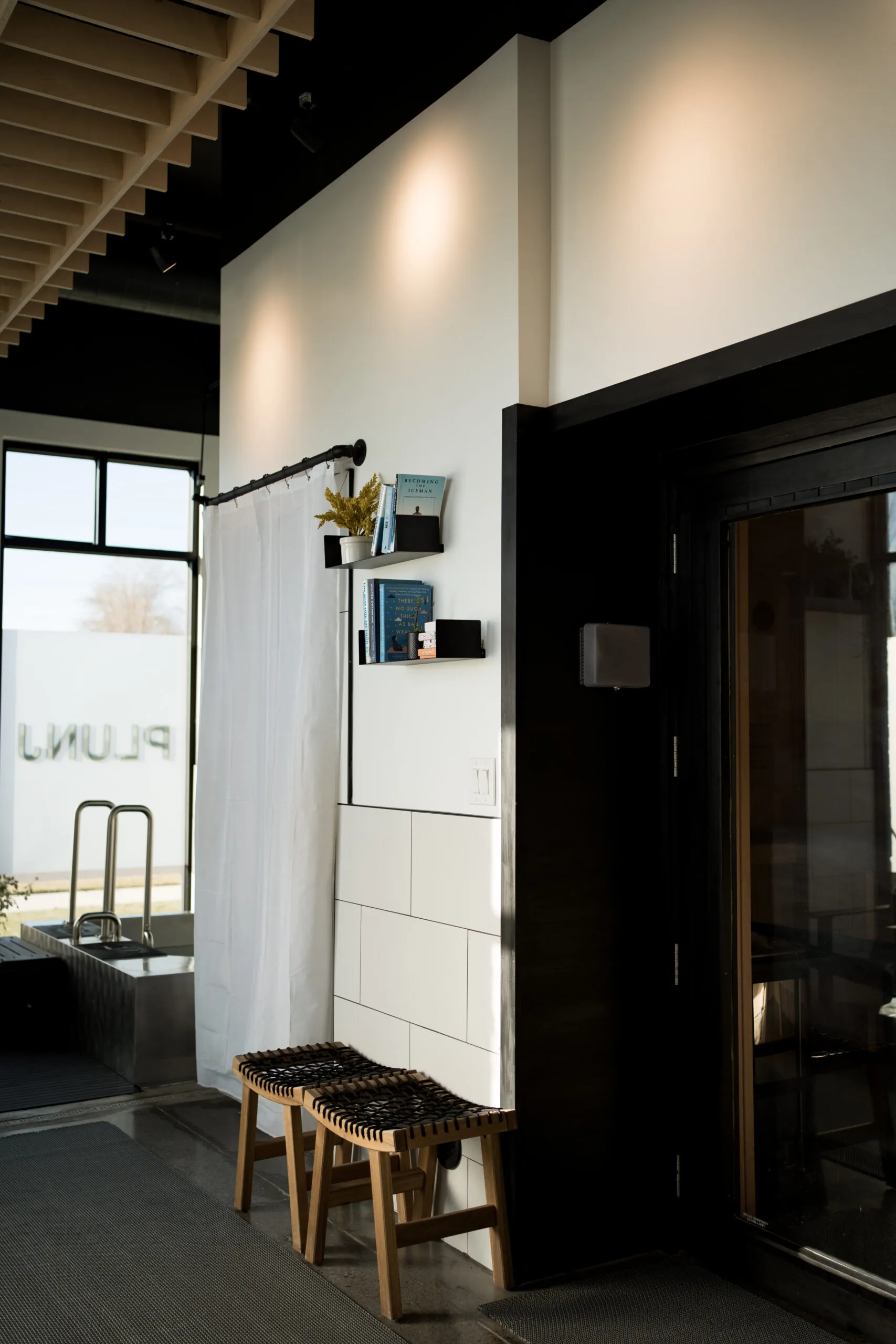
Sessions run 60 minutes with full access to both the sauna and cold plunge. The lounge area provides quiet space for post-session rest. For the full recovery experience, read about the best spas and wellness centers in Salt Lake City and how contrast therapy fits into a complete wellness routine.
Liberty Park: Urban Green Space for Mental Reset
When you need outdoor quiet without driving to the mountains, Liberty Park is Salt Lake's best answer. At 80 acres in the heart of the city, it offers walking paths, a small lake, mature trees, and enough space to escape the noise of urban life without leaving it.
The benefits of green space for stress recovery are well-documented—even 20–30 minutes among trees measurably reduces cortisol and heart rate. Liberty Park works best on weekday mornings when crowds are minimal. Find a bench near the pond, bring a book, or simply sit. The birds are genuinely good there.
Best for: quiet walks, reading, unplugging from screens between meetings or workouts.
Red Butte Garden
Perched above the University of Utah campus with views of the valley, Red Butte Garden offers 100 acres of cultivated gardens and 4 miles of natural area trails. The cultivated sections—rose garden, herb garden, water garden—are quiet and meticulously maintained, providing the kind of sensory richness that naturally slows the mind.
The garden's elevation (roughly 5,000 feet) gives a perspective on the city that's both literal and psychological. Something about looking down on the valley from a garden full of blooming things recalibrates your sense of scale. Problems look appropriately smaller from up there.
Open daily in warm months. A small admission fee applies unless you're a member.
Best for: a slow afternoon with intention, couples, anyone needing a mid-week reset.
Floatation Therapy Studios
Salt Lake City has a small collection of floatation studios offering one of the most profoundly restful experiences available to humans: 60–90 minutes in a soundproof, lightproof tank filled with body-temperature saltwater.
The experience eliminates almost all sensory input, giving your nervous system permission to fully downregulate. Research shows measurable reductions in anxiety, stress hormones, and muscle tension—and many regular users report a quality of relaxation they can't achieve any other way.
First-time floating is strange for the first 15 minutes, then often deeply peaceful for the rest. The effects last well beyond the session itself, with many people reporting improved sleep for several nights following a float.
Best for: anxiety management, chronic stress, those who struggle to quiet their minds.
The Bookshelf Cafes of Sugar House
Sugar House has developed a particular concentration of the kind of coffee shops that feel actually relaxing rather than productive-or-bust. These are places with low ceilings, bookshelves, unhurried staff, and a client mix that includes people actually reading rather than staring at laptops with aggressive focus.
This category of rest is underrated. Sometimes the body is fine and the mind just needs permission to exist without an agenda. A 90-minute stretch in a good coffee shop with a novel or a quiet corner does things that no massage or sauna can replicate.
Pair a late afternoon at one of these spots with a morning PLUNJ session and you've covered both the physical and mental dimensions of recovery in a single day.
Best for: mental decompression, solo time, transitions between high-output periods.
City Creek Canyon
For people who find nature more restorative than urban amenity—and many do—City Creek Canyon offers a surprising escape that begins literally at the north end of downtown. The trail follows a stream uphill through a riparian canyon that feels genuinely remote within 15 minutes of walking.
Research on "awe experiences"—encounters with landscapes that dwarf your sense of self—consistently shows reductions in stress and improvements in mood and perspective. City Creek isn't Yosemite, but the canyon walls, the water sound, and the quick disappearance of city noise create a genuine awe-adjacent effect.
The lower portion is accessible year-round. Open to foot and bike traffic on alternating days at the trailhead; check current access schedules before heading up.
Best for: quick escapes from downtown, active recovery walks, clearing your head.
Building Your Salt Lake Relaxation Stack
The most effective relaxation doesn't come from a single place or practice—it comes from layering complementary experiences across the week.
A practical Salt Lake City rest and recovery week might include:
- 2–3 contrast therapy sessions at PLUNJ for physical recovery and nervous system regulation
- One outdoor session at Liberty Park, Red Butte, or City Creek for nature-based stress relief
- One float session monthly for deep nervous system reset
- Regular unhurried time in a favorite café or park without screens
Each element addresses a different dimension of recovery. The physical exhaustion that comes from an active lifestyle in Salt Lake requires active recovery like contrast therapy. The mental load of modern work requires intentional quiet—nature and sensory downtime. And the chronic low-grade stress that most people carry requires dedicated interventions like floatation to fully clear.
Salt Lake City, for all its pace, has what you need. You just have to know where to look—and build the habit of actually using it.
Start with the most impactful option: book a contrast therapy session at PLUNJ and experience what deliberate recovery feels like.