How to Improve Circulation and Blood Flow Naturally
By PLUNJ · May 13, 2026
You feel it before you can explain it. The sluggishness in your legs after a long day at a desk. The cold hands and feet even when the room is warm. The afternoon brain fog that no amount of coffee seems to cut through. The slow recovery after workouts that leaves you sore for days.
These aren't just random inconveniences. They're signs that your circulatory system—the network of heart, blood vessels, and blood that delivers oxygen and nutrients to every cell in your body—isn't operating at full capacity.
The good news? Circulation is one of the most trainable systems in your body. With the right inputs, you can dramatically improve blood flow, energy, recovery, and cognitive function. This guide covers the most effective, evidence-backed methods to get there.
Why Circulation Matters More Than You Think
Your circulatory system is essentially your body's highway network. Every minute, your heart pumps approximately five liters of blood through roughly 60,000 miles of blood vessels. This blood carries:
- Oxygen from your lungs to every cell
- Glucose and nutrients from your digestive system to your muscles and organs
- Hormones that regulate everything from mood to metabolism
- Immune cells that protect against infection
- Waste products (like carbon dioxide and lactic acid) away from cells for elimination
When circulation is compromised—whether due to sedentary behavior, poor diet, chronic stress, or dehydration—every downstream function suffers. Muscles don't recover as fast. Brain performance drops. Energy flags. Inflammation builds.
Improving circulation isn't just about feeling better in the short term. Research consistently links robust cardiovascular health to longer life expectancy, lower risk of heart disease and stroke, improved cognitive longevity, and better metabolic health across the lifespan.
1. Contrast Therapy: The Most Powerful Circulation Tool You're Probably Not Using
Of all the strategies covered in this guide, contrast therapy—alternating between heat and cold exposure—produces some of the most dramatic and immediate effects on blood flow.
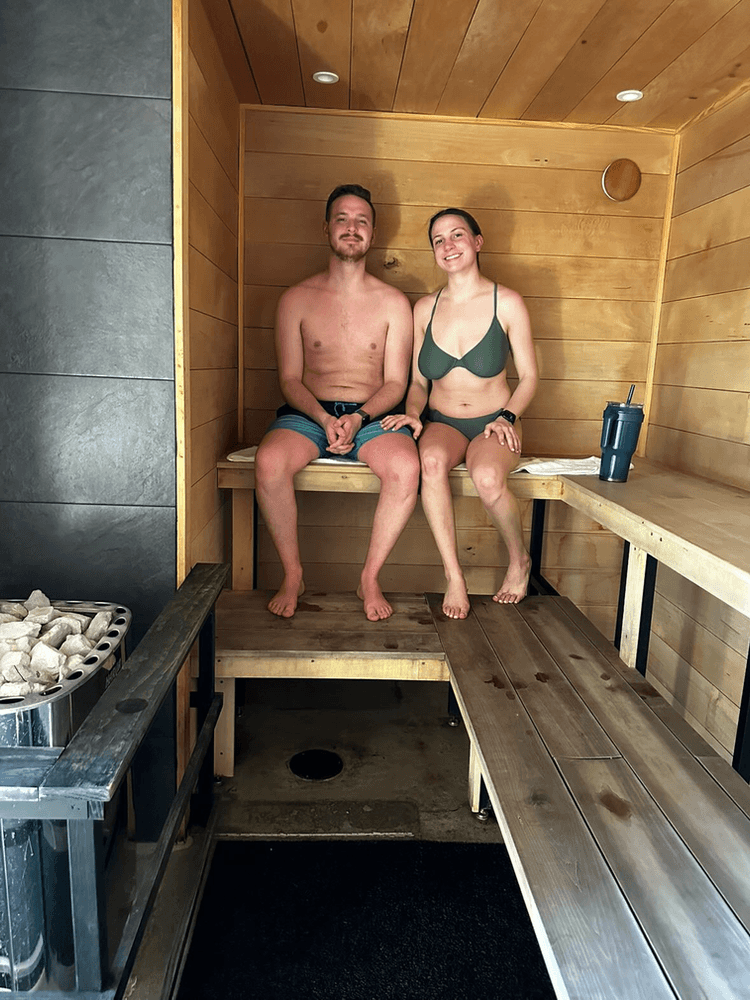
Here's what happens physiologically: When you enter a hot sauna at 175–190°F, your blood vessels dilate in response to heat. Blood rushes toward the skin surface as your body tries to dissipate heat. Heart rate increases. Blood volume in peripheral vessels surges.
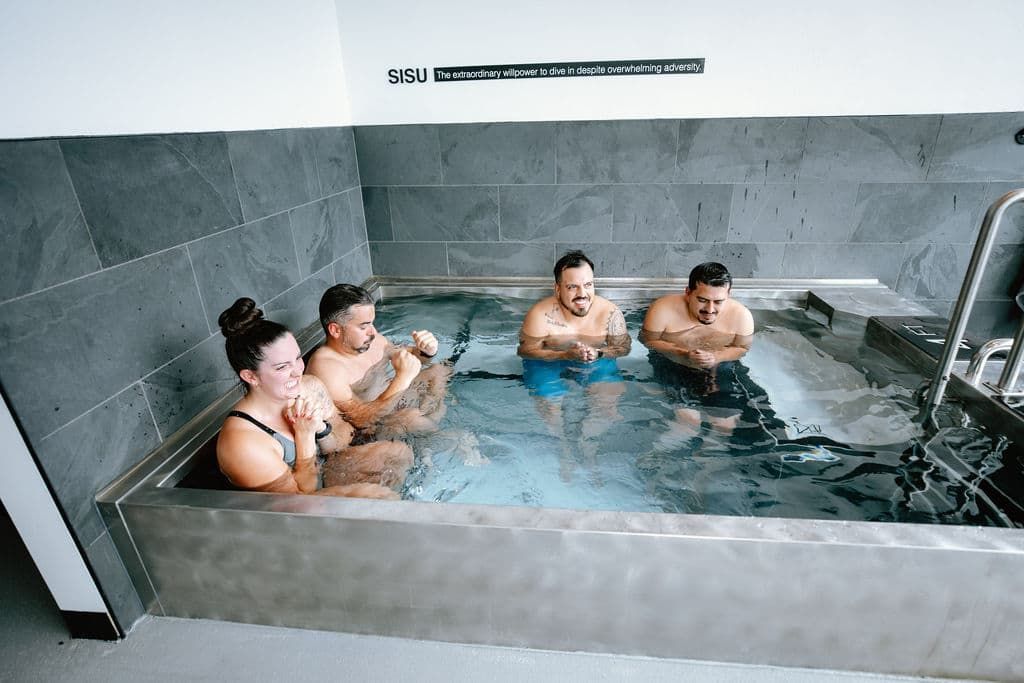
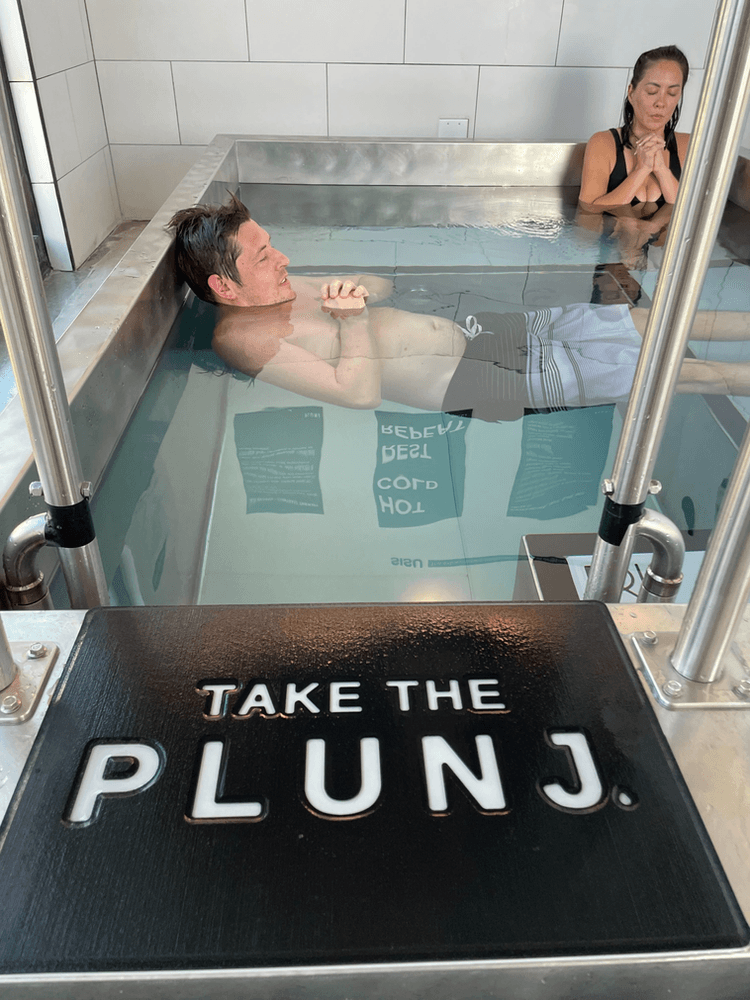
Then you step into a cold plunge at 45–50°F. Your body responds to the sudden cold with vasoconstriction—blood vessels tighten and blood is driven back toward your core to protect vital organs.
Repeat this cycle two or three times, and you've essentially given your circulatory system a full workout. The alternating dilation and constriction of blood vessels strengthens their walls, improves their elasticity, and trains the cardiovascular system to respond more efficiently to all forms of stress.
Researchers have described this mechanism as a "cardiovascular flush"—the repeated pumping action forces blood through even the smallest capillaries, reaching areas that might otherwise receive poor circulation. For athletes, this means faster nutrient delivery to recovering muscles and more rapid removal of inflammatory byproducts like lactate. For everyday wellness seekers, it means improved energy, warmer extremities, reduced inflammation, and enhanced cognitive function.
A landmark Finnish study following more than 2,000 middle-aged men found that regular sauna use (4–7 sessions per week) was associated with a 50% reduction in cardiovascular mortality compared to those who used the sauna only once weekly. While genetics and lifestyle factors play a role, the circulatory benefits of regular heat exposure are substantial and well-documented.
The cold component adds another layer. Cold water immersion has been shown to increase circulating levels of norepinephrine by 200–300%—a neurotransmitter that not only elevates mood and focus but also plays a key role in vascular tone regulation. Regular cold exposure trains your vessels to respond faster and more efficiently, a process sometimes called "vascular conditioning."
For best results, perform 2–3 cycles of heat and cold with adequate time in each: approximately 12–15 minutes in the sauna followed by 2–5 minutes in the cold plunge. The final round should end with cold, which drives blood back to the core and reduces systemic inflammation.
2. Exercise: Non-Negotiable for Vascular Health
Movement is the original circulation booster. When muscles contract, they literally squeeze blood through vessels, supporting the heart's work and improving venous return. Over time, regular exercise produces structural changes to the cardiovascular system that improve resting circulation.
Aerobic exercise (running, cycling, swimming, brisk walking) is particularly effective. It:
- Increases stroke volume—how much blood the heart pumps per beat
- Promotes the growth of new capillaries (angiogenesis) within muscle tissue
- Reduces arterial stiffness and improves endothelial function (the health of blood vessel linings)
- Lowers resting blood pressure over time
- Increases nitric oxide production, a molecule that causes blood vessels to relax and widen
Even modest amounts of aerobic activity produce measurable benefits. A review published in the Journal of Applied Physiology found that just 150 minutes of moderate aerobic exercise per week—30 minutes, five days—produced significant improvements in flow-mediated dilation, a key marker of vascular health.
Resistance training contributes differently but equally valuably. Heavy lifting temporarily spikes blood pressure but over time reduces resting blood pressure and improves insulin sensitivity, both of which support vascular health. Muscle contraction during strength work creates powerful pumping forces that push blood through vessels and reduce pooling in the extremities.
Zone 2 training—sustained low-intensity cardio at roughly 60–70% of max heart rate—is particularly effective for long-term vascular adaptation. This heart rate zone is optimal for mitochondrial development and capillary growth without generating excessive inflammation or recovery demands. Think: a pace where you can hold a conversation, sustained for 45–60 minutes.
For people with desk jobs or sedentary lifestyles, simply breaking up sitting time matters. Research shows that standing up and moving for just two minutes every 30 minutes reduces the blood-pooling effects of prolonged sitting and maintains healthier post-meal blood flow compared to continuous sitting.
3. Cold Exposure as a Stand-Alone Practice
Even without sauna pairing, cold water immersion on its own produces powerful circulatory adaptations.
When you submerge in cold water, your body activates a response called the diving reflex—a cascade of physiological changes that prioritize blood delivery to the heart, lungs, and brain. Peripheral vasoconstriction drives blood inward, cardiac output adjusts, and the body becomes acutely efficient at managing blood distribution.
Over weeks and months of repeated cold exposure, the cardiovascular system adapts. Blood vessels become more reactive and responsive. Resting heart rate often decreases. Cold-induced vasoconstriction becomes faster and more efficient, which paradoxically means the body warms the extremities faster after cold exposure—a sign of improved circulatory regulation.
Cold exposure also stimulates brown adipose tissue (BAT) activation. Unlike white fat, brown fat is metabolically active and highly vascularized. When activated by cold, BAT burns glucose and fatty acids to generate heat, a process that requires rapid blood flow to fuel. Regular cold exposure increases BAT activity and its associated vascular density.
For those new to cold plunging, start with cooler-than-comfortable showers (60–70°F) and gradually work toward full cold immersion. Sessions as short as 2–5 minutes at 50–55°F can produce measurable circulatory and metabolic effects.
4. Hydration: The Overlooked Circulation Essential
Blood is roughly 55% water. When you're dehydrated, blood viscosity increases—it literally gets thicker and harder to pump. The heart has to work harder to push thicker blood through narrowing vessels, cardiac output drops, and circulation throughout the body suffers.
Even mild dehydration (1–2% of body weight) measurably impairs cardiovascular performance. Studies show reductions in stroke volume, increases in heart rate for the same level of exertion, and decreased blood flow to the brain and muscles.
The fix sounds simple but requires consistency: drink enough water. For most adults, this means at least 8–10 cups (64–80 oz) per day, with more needed after exercise, in hot environments, or following sauna sessions. Signs of adequate hydration include pale yellow urine, absence of thirst, and no cognitive sluggishness.
Electrolytes matter alongside water. Sodium, potassium, and magnesium all play direct roles in regulating blood pressure and vascular tone. Plain water alone, consumed in large quantities, can actually dilute electrolyte levels. After a sauna session where significant sweating occurs, replenishing with an electrolyte-containing drink or mineral-rich water supports better circulatory recovery.
5. Nitric Oxide-Boosting Nutrition
Nitric oxide (NO) is a small molecule produced by the cells lining your blood vessels. Its primary function is to signal smooth muscle cells in vessel walls to relax, causing vasodilation—wider, more compliant vessels that carry more blood with less resistance.
Certain foods dramatically increase nitric oxide production:
Leafy greens (arugula, spinach, kale, beet greens) are among the richest dietary sources of nitrates—compounds your body converts to nitric oxide. A study in the British Journal of Nutrition found that drinking beetroot juice, another high-nitrate food, reduced systolic blood pressure by an average of 4–5 mmHg within hours.
Beets deserve their own mention. Beetroot is exceptionally high in dietary nitrates. Regular consumption has been shown to improve exercise performance, reduce oxygen cost of activity, and enhance endothelial function. Supplemental beetroot extract (or simply eating beets regularly) is one of the most evidence-backed nutritional strategies for circulation.
Garlic contains allicin, a sulfur compound that stimulates nitric oxide synthase—the enzyme that produces NO. Multiple trials have found garlic supplementation reduces blood pressure and improves arterial compliance.
Dark chocolate (70%+ cacao) contains flavonols that enhance endothelial nitric oxide production. Several studies have demonstrated improved blood flow markers after dark chocolate consumption, though the effect is most pronounced with high-flavonol varieties and regular consumption.
Fatty fish (salmon, mackerel, sardines) provide omega-3 fatty acids, particularly EPA and DHA, which reduce arterial stiffness, lower triglycerides, and improve endothelial function through multiple mechanisms including NO pathway support.
6. Compression and Movement for Lower Body Circulation
Venous return—the movement of blood from your extremities back to your heart—relies on muscular contraction, gravity, and breathing. When you sit for prolonged periods with minimal leg movement, blood pools in the lower extremities. This is why your legs feel heavy and tired after long flights or desk days.
Compression garments (socks, sleeves, tights) apply graduated pressure that mechanically supports venous return, reducing pooling and improving circulation in the lower legs. Originally medical devices for conditions like chronic venous insufficiency and deep vein thrombosis prevention, compression garments are now widely used by athletes and frequent travelers with measurable benefit.
Elevation of the legs above heart level recruits gravity to assist venous return. Even 10–15 minutes of lying with legs elevated against a wall (known as "legs up the wall" in yoga, or viparita karani) can provide noticeable relief from leg heaviness and improve venous drainage.
Calf raises and ankle circles are simple micro-movements that activate the calf muscle pump—often called the body's second heart—which plays a major role in pushing blood upward from the feet and lower legs. Performing a set of calf raises every hour during sedentary work periods meaningfully counters the pooling effects of sitting.
7. Breathwork and the Circulatory System
The connection between breathing patterns and circulation is deeper than most people realize. The diaphragm, when engaged in full breathing, creates pressure changes in the thoracic cavity that directly influence venous return to the heart. Shallow, chest-only breathing—the default pattern for most adults under stress—reduces this effect and limits cardiovascular efficiency.
Diaphragmatic breathing (belly breathing) activates the full diaphragm, creating negative intrathoracic pressure that literally draws blood toward the heart with each inhale. Practiced regularly, it improves heart rate variability (a marker of cardiovascular health), reduces blood pressure, and enhances tissue oxygenation.
Box breathing (4-second inhale, 4-second hold, 4-second exhale, 4-second hold) and similar structured practices activate the parasympathetic nervous system, reducing stress hormones like cortisol and adrenaline that cause chronic vasoconstriction when elevated over time.
Wim Hof breathing and similar hyperventilation-based techniques temporarily increase blood pH and shift oxygen delivery dynamics, producing acute vasodilatory effects followed by improved cold tolerance and circulation. While the mechanisms are complex and the research still evolving, the technique's effects on peripheral blood flow are measurable and robust.
8. Managing the Enemies of Circulation
Understanding what to avoid is as important as knowing what to do. Several factors are primary drivers of poor circulation:
Chronic stress keeps the sympathetic nervous system in sustained activation, maintaining elevated levels of cortisol and adrenaline. These hormones cause persistent vasoconstriction, increased blood pressure, and arterial stiffness over time. The practices described in this article—contrast therapy, breathwork, exercise, and adequate sleep—are all effective stress regulators.
Smoking is among the most damaging things you can do to your circulatory system. Nicotine causes immediate vasoconstriction; the chemicals in smoke damage the endothelium directly; carbon monoxide reduces blood's oxygen-carrying capacity. Even secondhand smoke exposure impairs endothelial function. Cessation begins reversing vascular damage within weeks.
Excess body fat, particularly visceral fat around the abdomen, releases inflammatory compounds that damage blood vessel linings and promote insulin resistance. Weight loss through combined exercise and dietary changes produces some of the most dramatic improvements in vascular health markers.
A high-sugar, processed diet drives chronic inflammation, elevates triglycerides (which increase blood viscosity), and impairs nitric oxide production. Reducing refined carbohydrates and processed fats while increasing vegetables, fiber, and healthy fats produces measurable vascular benefits within weeks.
Putting It All Together: A Practical Protocol
Improving circulation doesn't require an overhaul of your entire life. Start with a few high-leverage changes and build from there:
Daily foundations:
- 8–10 cups of water throughout the day
- Break up sitting every 30–45 minutes with brief movement
- One serving of leafy greens or beets
- Diaphragmatic breathing for 5–10 minutes
Three to four times per week:
- 30–45 minutes of aerobic exercise at a conversational pace
- Calf raises and lower body mobility work
- Contrast therapy session (sauna + cold plunge, 2–3 cycles)
For contrast therapy specifically, a session at PLUNJ takes approximately 60 minutes and includes complete access to both the sauna and cold plunge—enough time for 2–3 full cycles. Book a session at PLUNJ to experience one of the most effective circulation-boosting practices available.
Weekly:
- At least 150 minutes total moderate cardio
- One longer Zone 2 training session (45–60 minutes at low intensity)
The Compound Effect
The most important insight about circulation is that the benefits compound. Exercise makes your vessels more responsive to cold and heat. Good nutrition supports the vascular adaptations triggered by exercise. Adequate sleep allows the recovery that makes all other inputs work. Contrast therapy amplifies the gains from every other practice.
Start with one or two changes and feel the difference. Then add another. Within weeks, you'll notice the signs that signal better circulation: warmer hands and feet, faster post-exercise recovery, clearer thinking, more sustained energy, and less soreness. Within months, you'll have built a circulatory system that functions like it was designed to—delivering oxygen and nutrients efficiently, clearing waste rapidly, and supporting every other system in your body.
Good circulation isn't a passive outcome. It's something you build, one session, one meal, one cold plunge at a time.